4 hr
Comuna 13 Graffiti, Cable Car & Street Food Tour
Explore Medellín's most colorful neighborhood by metro and cable car with street art, coffee, and local bites
Reserve
Where murals tell stories of resilience, outdoor escalators climb through color
Hand-picked by our editors — only the best 6 walking experiences from 23 reviewed.
Verified partners for Comuna 13 Graffiti tours, free cancellation where available, and instant confirmation on every booking.
4 hr
Explore Medellín's most colorful neighborhood by metro and cable car with street art, coffee, and local bites
Reserve
3 hr
Discover Medellín's most colorful neighborhood through street art, local food, and hands-on creativity
Reserve
3 hr
Discover Medellín's most colorful neighborhood through street art, local flavors, and community stories
ReservePrices from verified partners. Availability updates in real time at checkout. Free cancellation policies apply where shown.
Every Comuna 13 Graffiti tour side-by-side — duration, what's included, how you redeem.
| Experience | Duration | Rating | Skip-the-line | Guide | Small group | Free cancel. | Price | |
|---|---|---|---|---|---|---|---|---|
|
Standard Entry Most popular
Comuna 13 Graffiti, Cable Car & Street Food Tour
|
4 hr | ★ 4.8 | — | ✓ | ✓ | ✓ | €18 | Book → |
|
Guided Experience
Comuna 13 Graffiti & Culture Walking Tour
|
3 hr | ★ 5.0 | ✓ | ✓ | ✓ | ✓ | €12 | Book → |
|
Standard Entry
Comuna 13 Graffiti Tour with Local Snacks
|
3 hr | ★ 4.9 | — | ✓ | ✓ | ✓ | €11 | Book → |
All prices from verified partners. Availability and exact terms confirmed at checkout.
Professional guides provide critical historical context that brings the murals to life, whereas independent visits offer complete autonomy over your schedule. Organized comuna 13 graffiti tour tours bridge the gap between street art and the local sociopolitical reality better than self-guided walks.
| Feature | Top pick Guided Tour | Independent Visit |
|---|---|---|
Narrative Depth |
Deep historical and cultural context | Limited to personal observation |
Cost |
Varies by operator | 0 COP (Free entry) |
Flexibility |
Fixed departure times | Fully self-paced |
Safety Perception |
High due to local guide supervision | Dependent on personal vigilance |
Language Support |
Multilingual guide options | None (self-guided) |
Local Impact |
Direct support to neighborhood artists | Minimal indirect contribution |
| See tickets → |
Verdict: Choose an organized comuna 13 graffiti tour tour for a deeper understanding of Medellín landmarks, or opt for independent exploration if you prefer to navigate the 350 steps at your own rhythm without needing comuna 13 graffiti tour tickets.
Choose your ticket, select your date, and reserve in under two minutes. Secure checkout handled by our verified partner.
Instant confirmation by email, with a mobile voucher you can save offline. No printing, no queuing at a collection desk.
Arrive at the entrance, show your voucher on your phone, and walk in. Most tickets include priority or skip-the-line access.
Practical details for Comuna 13 Graffiti tickets straight from our verified partners — hours, access, rules, and how to get there.
Wear comfortable walking shoes suitable for 350 steps and uneven pavement. Lightweight, breathable clothing is recommended for the Medellín climate.
Keep belongings in a front-facing bag to maintain security in crowded sections. Leave valuables at your accommodation before starting your comuna 13 graffiti tour.
Photography is encouraged as the neighborhood features world-class street art. Respect the privacy of local residents when capturing images of homes or individuals.
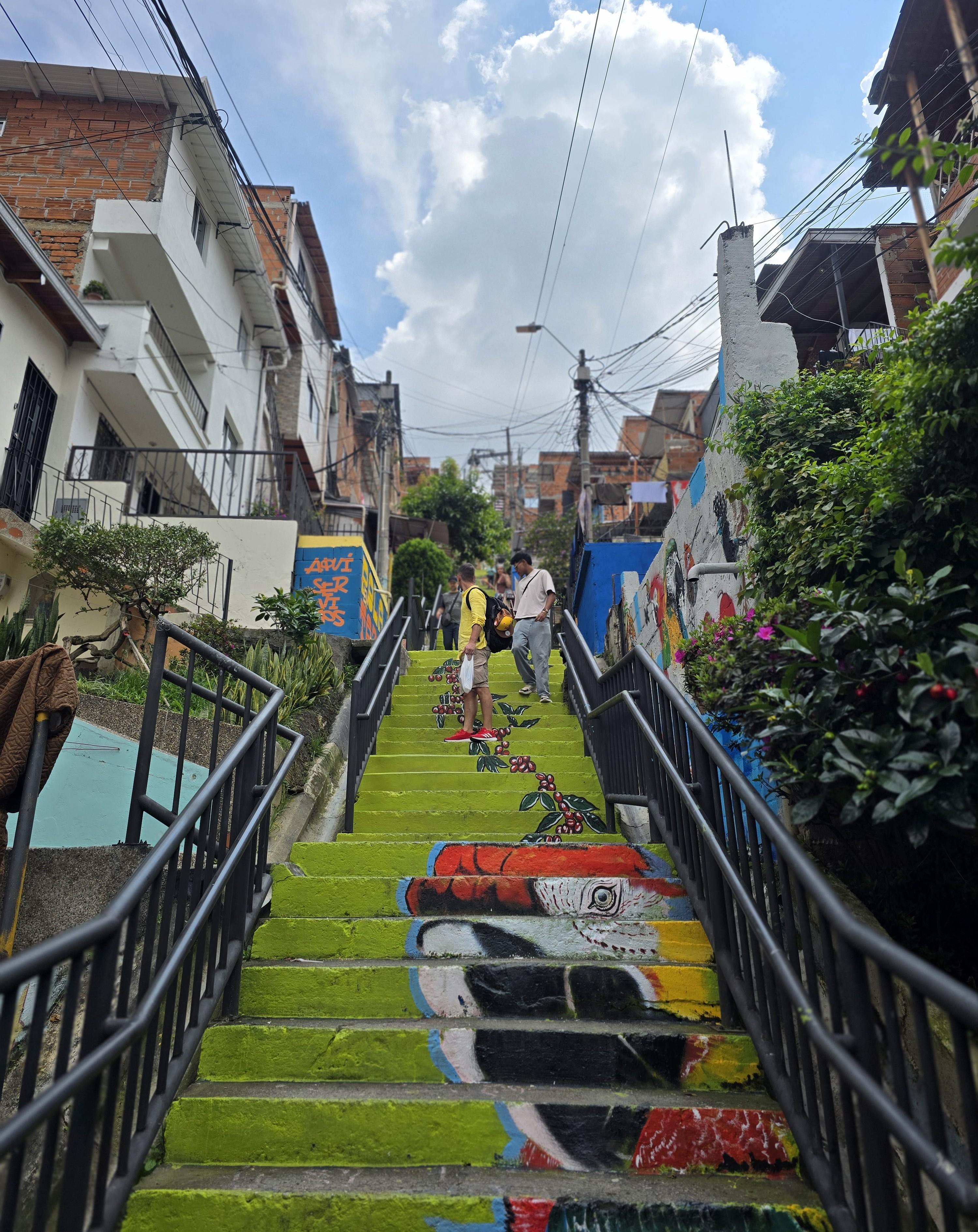
Navigating the area requires climbing 350 steps, though the public outdoor escalators assist in reaching higher zones. The terrain remains steep and uneven in many sections.
Mobile phones are permitted. Keep ringer off inside exhibition spaces.
Families are welcome, but be aware of the physical demands of walking through the neighborhood. Younger children may struggle with the incline during a comuna 13 graffiti tour.
Local vendors sell snacks like mango biche and ice cream throughout the area. Carry a reusable water bottle to stay hydrated during your Medellín landmark visit.
Pets are not allowed, with the exception of service animals with appropriate documentation.
Last entry is typically 1 hour before closing. Check the specific ticket for timing.
Best time to go, insider tips, nearby landmarks, and the cancellation fine print — flip through to skim what matters to you.
Flexible, no hidden fees.
Since entrance is 0 COP, no financial cancellation applies. If booking a private comuna 13 graffiti tour tour, confirm terms with your specific operator.
In 2002, Comuna 13 recorded 122 violent deaths per 100,000 residents, making it one of the most dangerous neighborhoods in the Western Hemisphere.
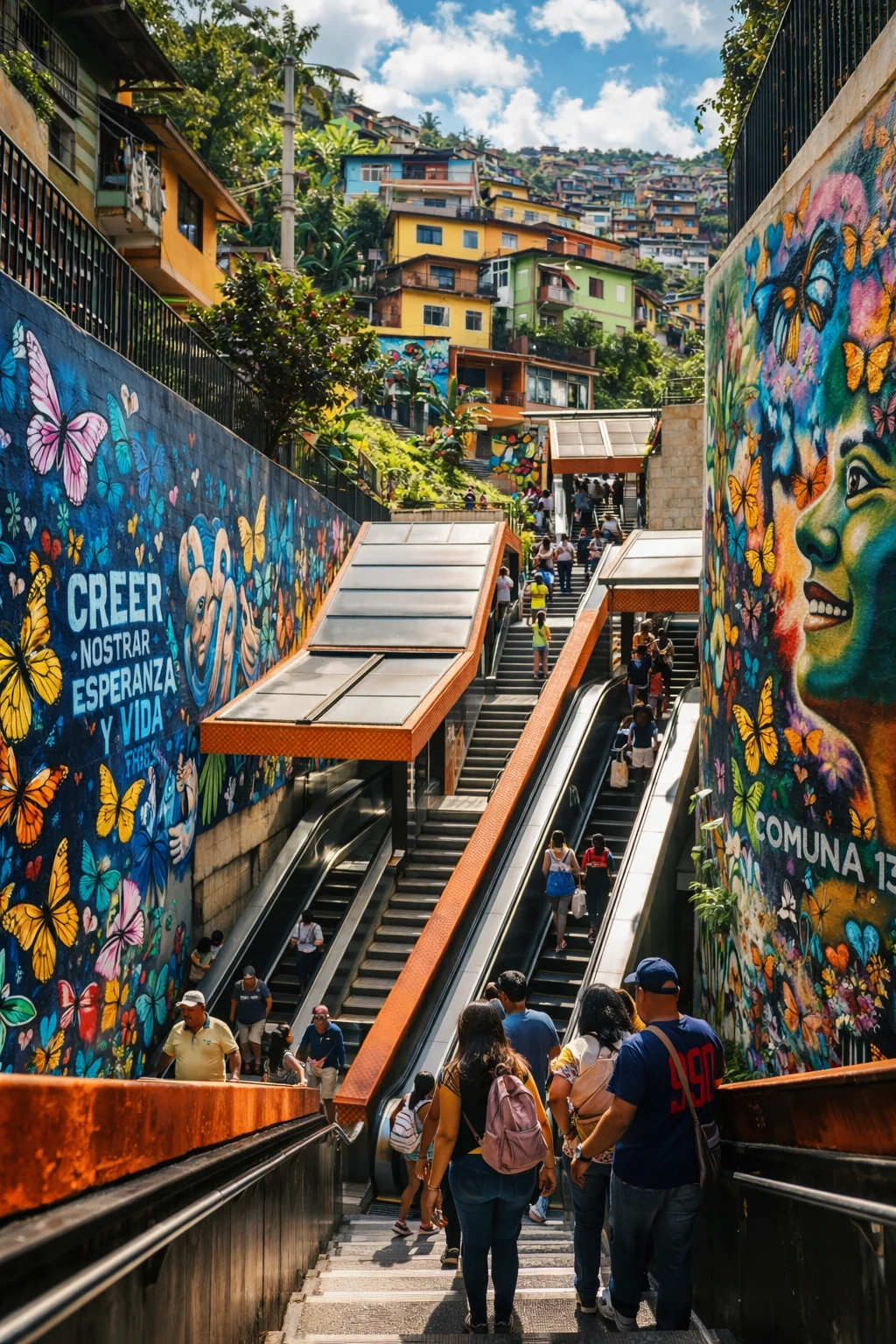
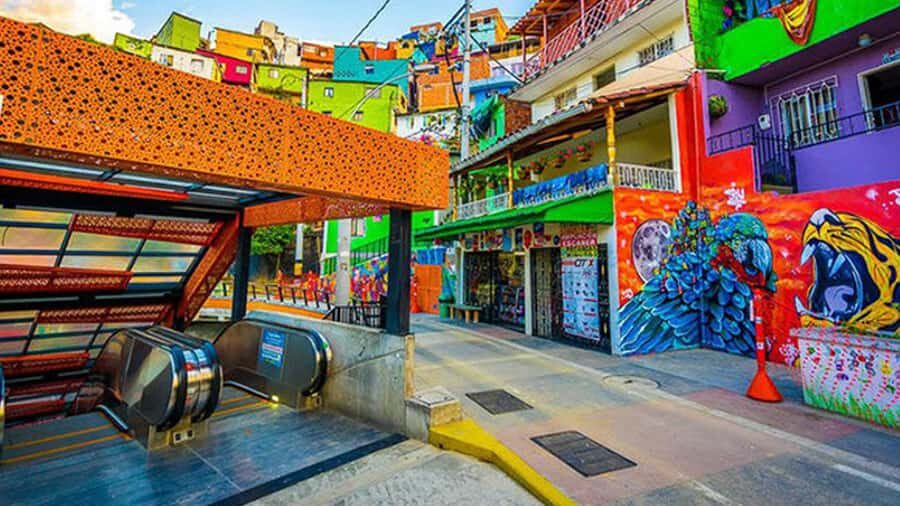
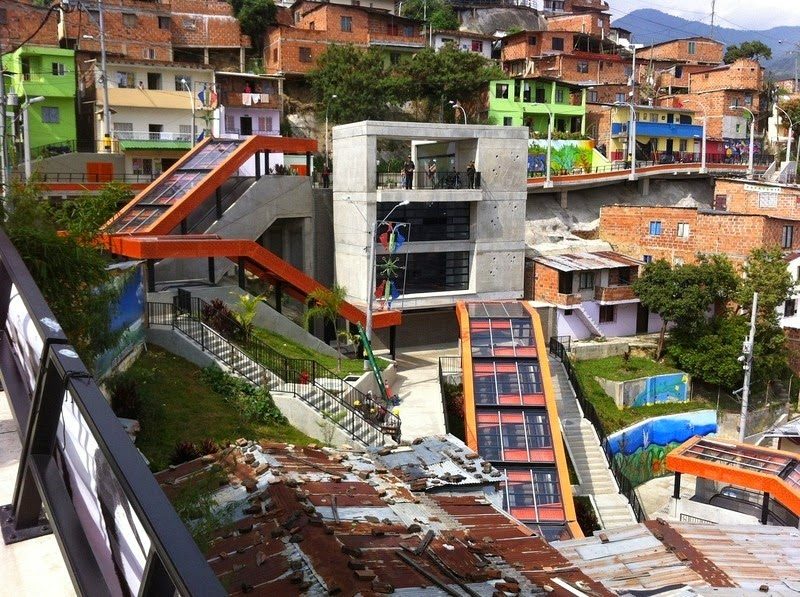
Two decades later, outdoor escalators carry 12,000 passengers daily through six continuous blocks of murals, hip-hop performances, and microbusinesses selling fresh mango biche and handmade crafts. The transformation began in 2011 when Medellín's municipal government installed 384 meters of electric escalators across the San Javier hillside, replacing 350 concrete steps that residents had climbed in the equatorial heat for generations. The escalators cut a 35-minute uphill walk to six minutes, opening the neighborhood to commerce, education, and visibility.
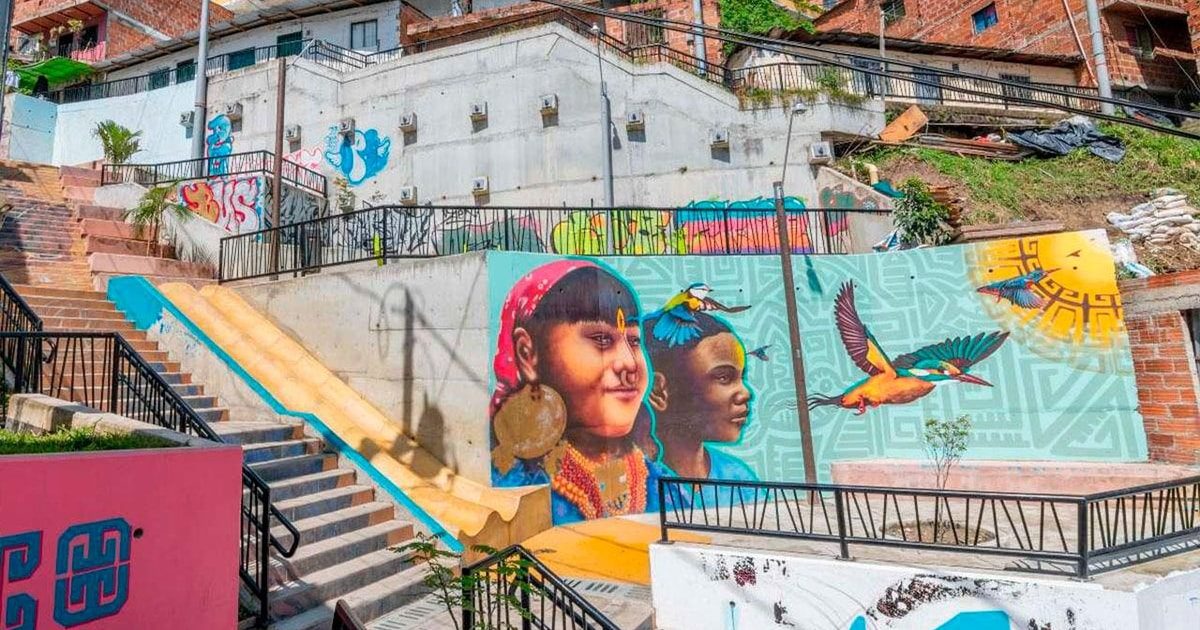
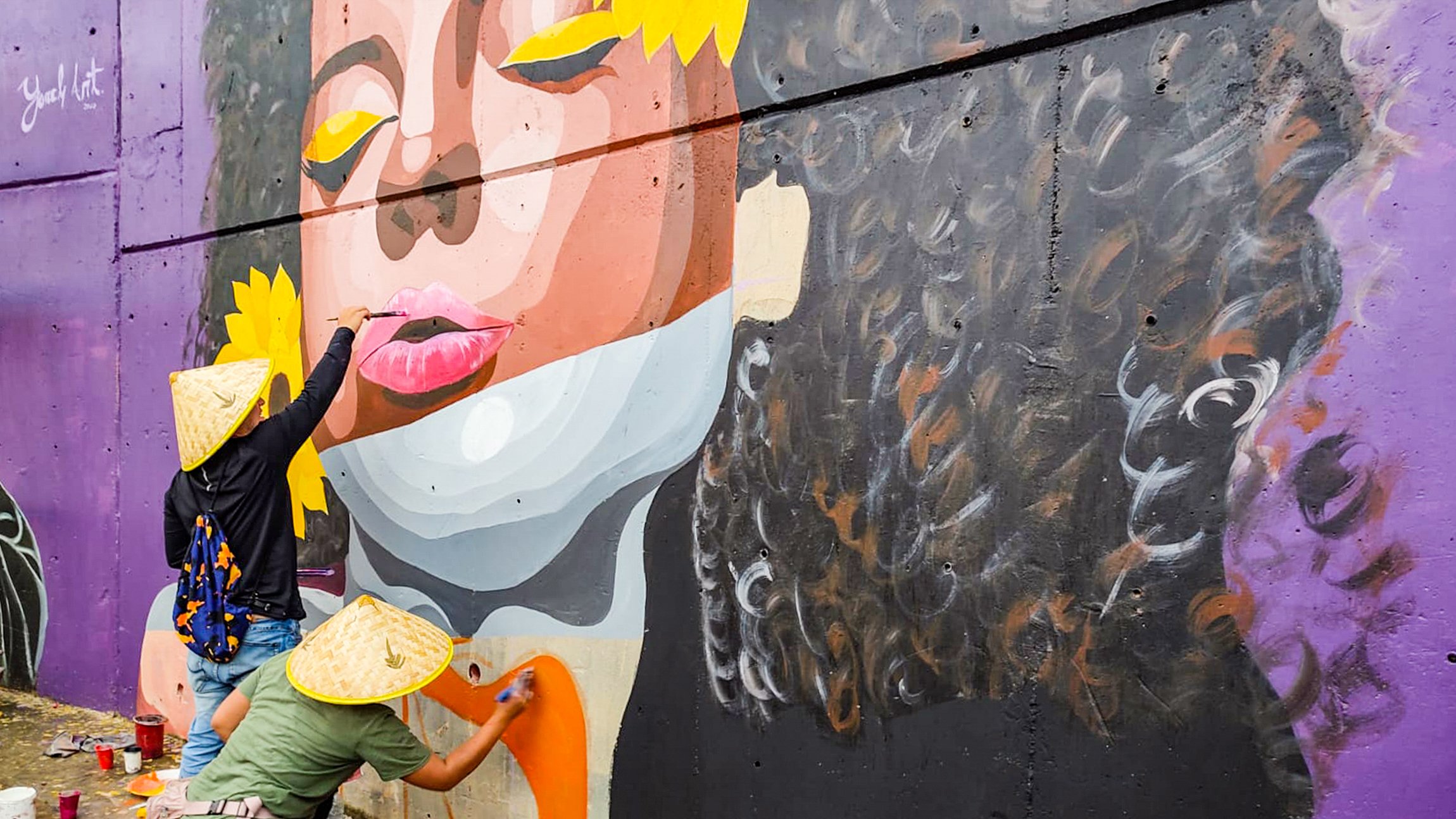
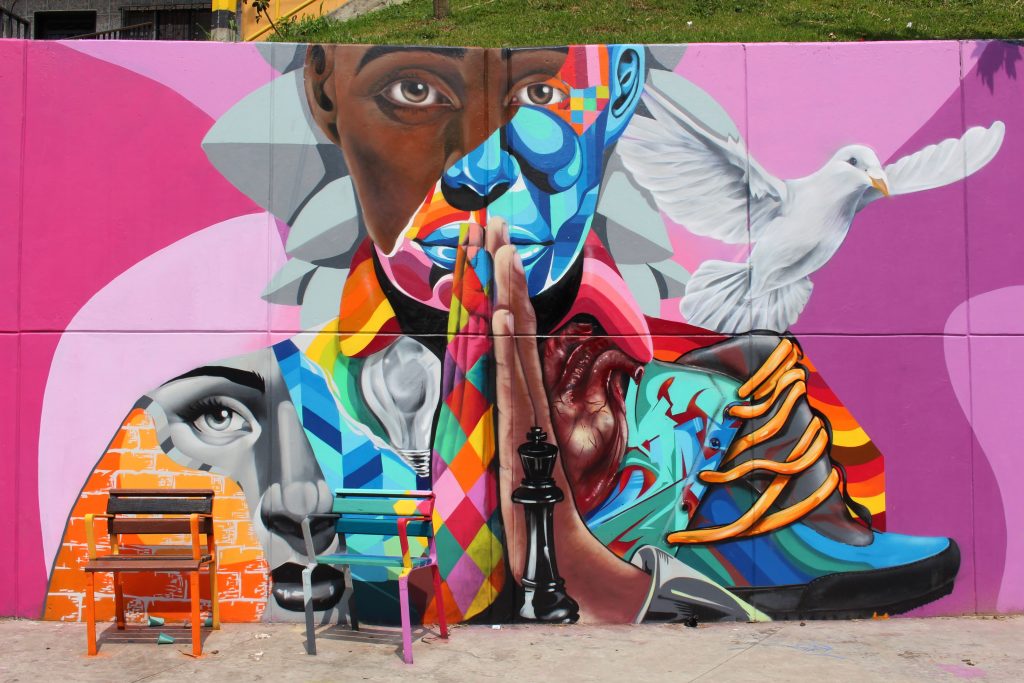
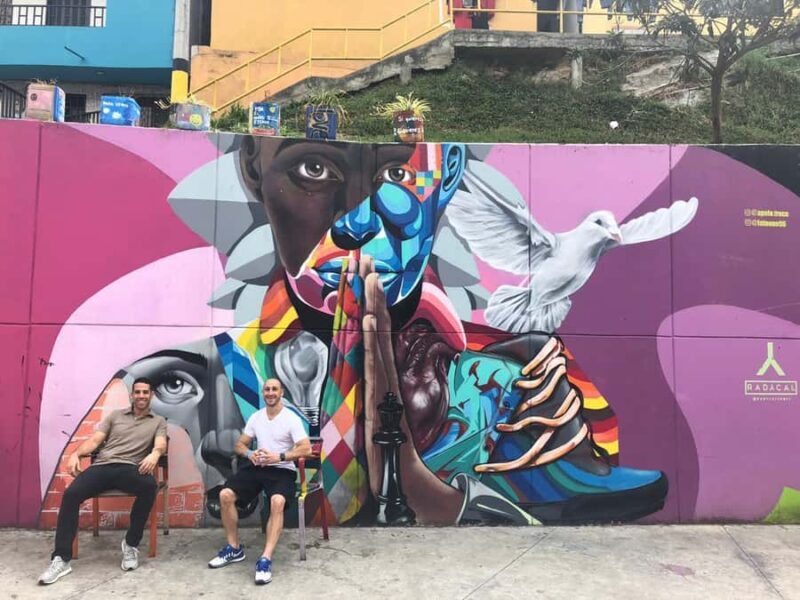
The graffiti arrived organically. Local artists—many of them former combatants in the gang conflicts that plagued the district through the 1990s—began painting the retaining walls flanking the escalators in 2012. The murals depict silhouettes of displaced families, portraits of Afro-Colombian matriarchs, and abstract bursts of primary color that reference both the traditional chiva buses of rural Antioquia and the resilience of a community that rebuilt itself without erasing its past. No single authority commissions the work; artists negotiate wall space with homeowners and repaint over previous layers as styles evolve. The result is a living canvas that changes quarterly, though certain iconic pieces—a grandmother holding a coffee basket, a dancer mid-leap—persist by neighborhood consensus.
Walking tours of Comuna 13, most offered free by resident guides who accept tips, typically begin at the base of the escalators near the San Javier metro station and ascend through six zones of street art. Guides explain the symbology behind specific murals, the history of Operation Orion (a 2002 military incursion that killed 71 people), and the role of hip-hop collectives in providing youth alternatives to recruitment by armed groups. Tours last 90 minutes to two hours and often include stops at casas de la memoria, informal museums run by families who lost members to violence. The neighborhood remains a working-class residential area; the graffiti coexists with laundromats, corner tiendas, and children playing in narrow alleys.
Comuna 13 graffiti tour experiences appeal to visitors seeking context beyond the murals themselves. The escalators operate from dawn to midnight, and the neighborhood is accessible year-round without entrance fees. Morning light between 7 and 11 a.m. offers the best conditions for photography, with cooler temperatures and fewer tour groups occupying the narrow platforms. The district's transformation is frequently cited in urban planning journals as a case study in infrastructure-led social recovery, though residents caution that gentrification pressures and the commercialization of memory remain ongoing challenges.
"The escalators cut a 35-minute uphill walk to six minutes, opening the neighborhood to commerce, education, and visibility."
A step-by-step walkthrough of Comuna 13 Graffiti tickets — what you'll see, how long each stage takes, and the details that matter.
You exit the San Javier metro station and walk 200 meters uphill to the base of the first escalator. A local guide—often a resident in their twenties who grew up during the conflict years—gathers a group of eight to twelve visitors and begins the ascent.
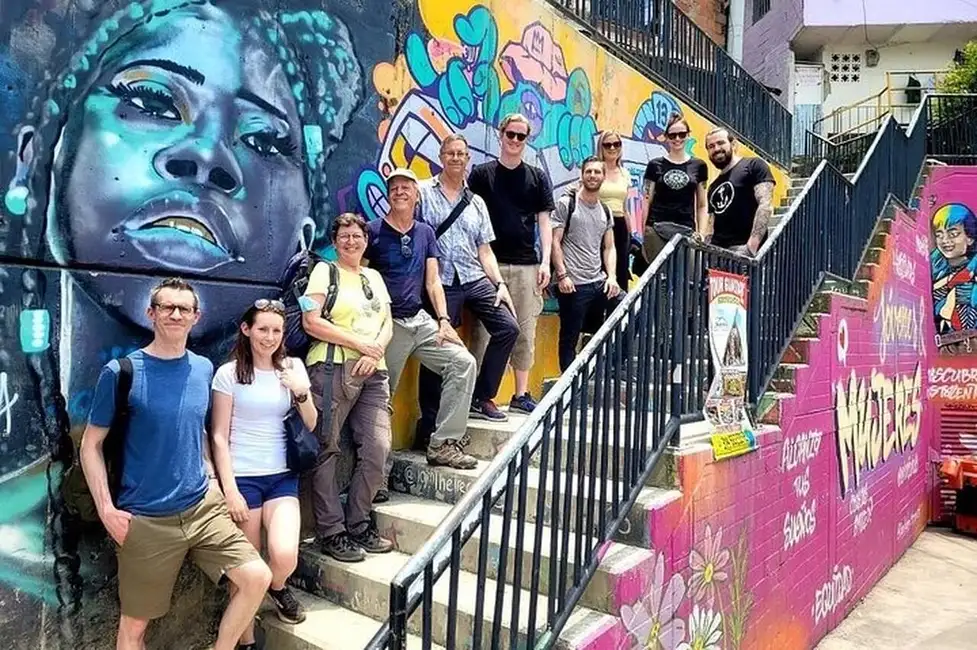
The escalator hums beneath your feet as you rise past a three-story mural of a woman's face, her eyes outlined in yellow and turquoise, her expression resolute. The guide pauses at the first landing to explain the 2002 military operation and points to a photograph affixed to a concrete wall: a black-and-white image of the same corner before the escalators, when residents carried groceries up steep, unlit stairs.
You continue to the second escalator. The murals grow denser here—overlapping tags, stenciled silhouettes, a ten-meter portrait of a breakdancer frozen mid-spin. A group of teenagers rehearses a hip-hop routine on a small plaza; the guide knows them by name and exchanges greetings in rapid paisa Spanish. You climb to the third escalator, where a grandmother sells bags of mango slices dusted with lime and chili. The guide buys one and offers you a taste. From the top platform, you see the valley floor below, the metro line cutting through San Javier, and the eastern mountains that ring Medellín. The entire ascent has taken eleven minutes, but the guide spends another hour walking you through the alleyways behind the escalators, where quieter murals cover garage doors and retaining walls, each one a fragment of the neighborhood's memory.
The neighborhood is open 00:00–23:59 daily.
Entry is 0 COP as it is a public neighborhood.
You will encounter 350 steps throughout the area.
Arrive between 07:00–11:00 for the best light and fewer crowds.
Photography is allowed, but always be respectful of local residents.
Public restrooms are limited, so plan to use facilities at local cafes.
The area is safe for visitors, though awareness of surroundings is standard.
Yes, families can explore, but prepare for significant walking.
Bring sun protection, water, and comfortable footwear.
Take the metro to San Javier station then transfer to the local bus or taxi.